

Experiential & Inquiry-Based Learning
A topic met in the hand before it is met in the exam.
Learning by experience
Experience first.
Understanding follows.
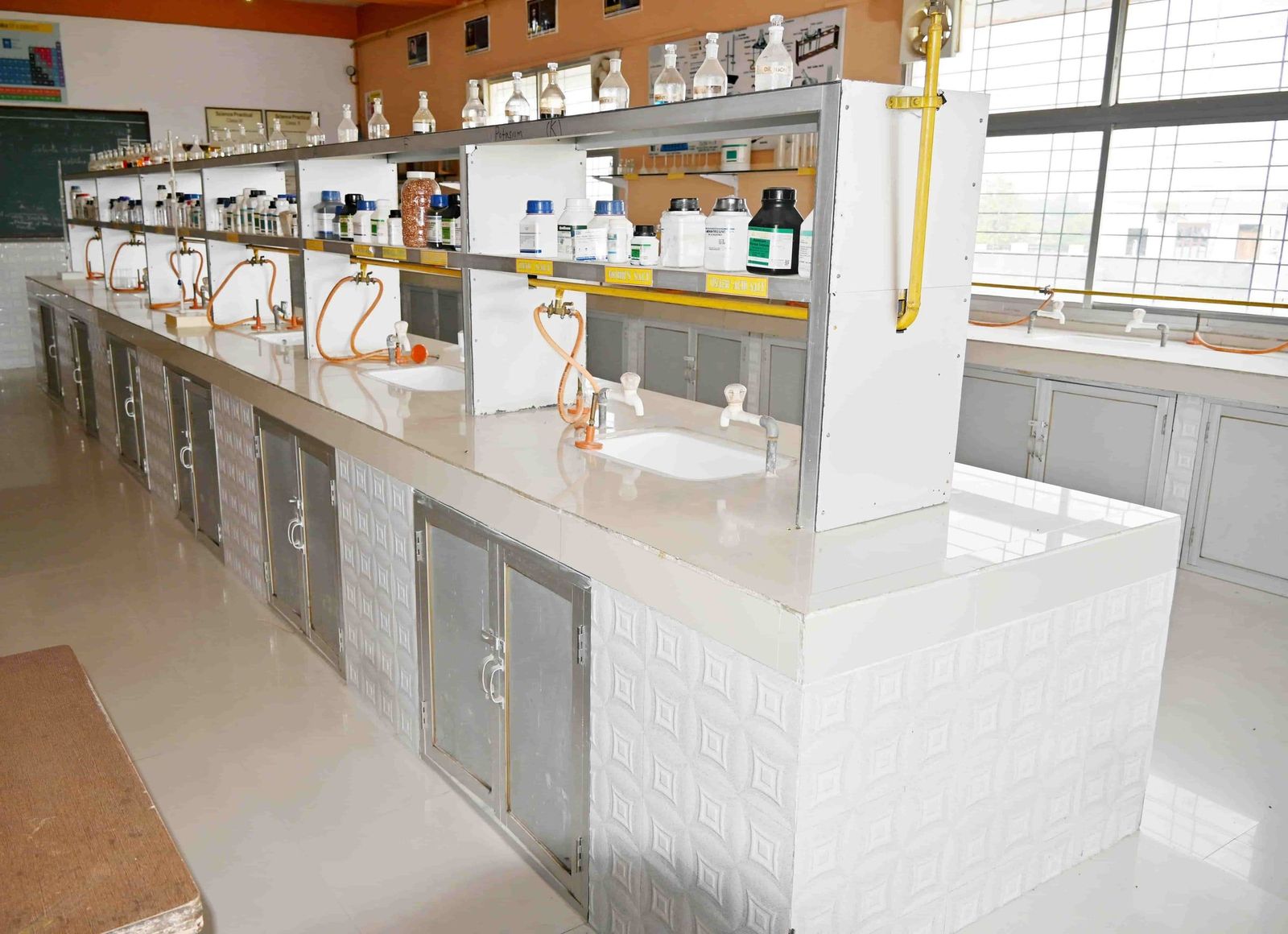
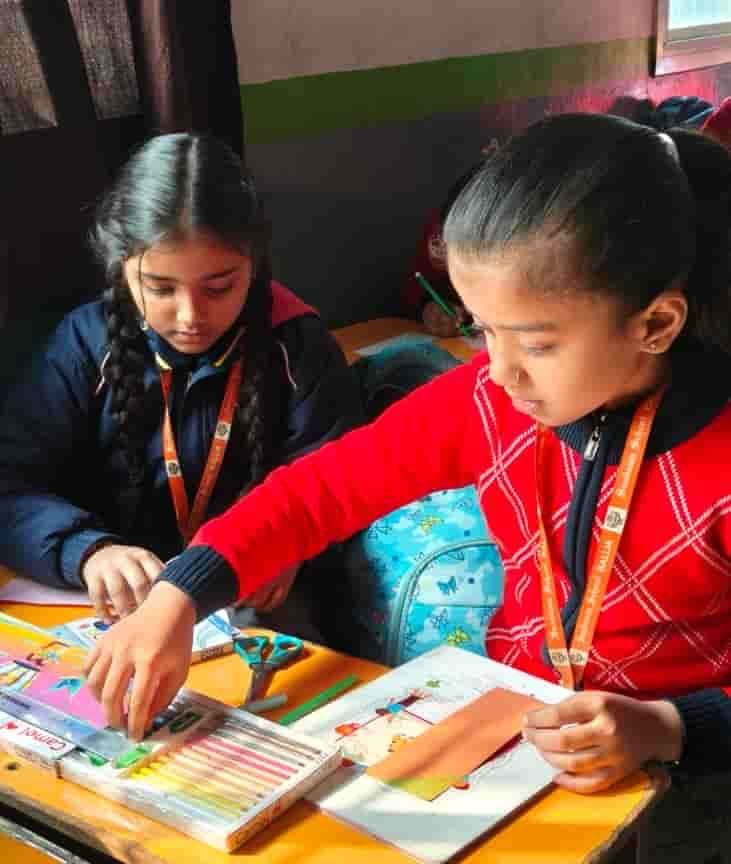
Experiential and inquiry-based learning is the school's stated approach rather than an enrichment attached to it: a topic is met in the hand before it is met in the exam. The twelve laboratories are what make that possible in an ordinary week rather than on a special day.
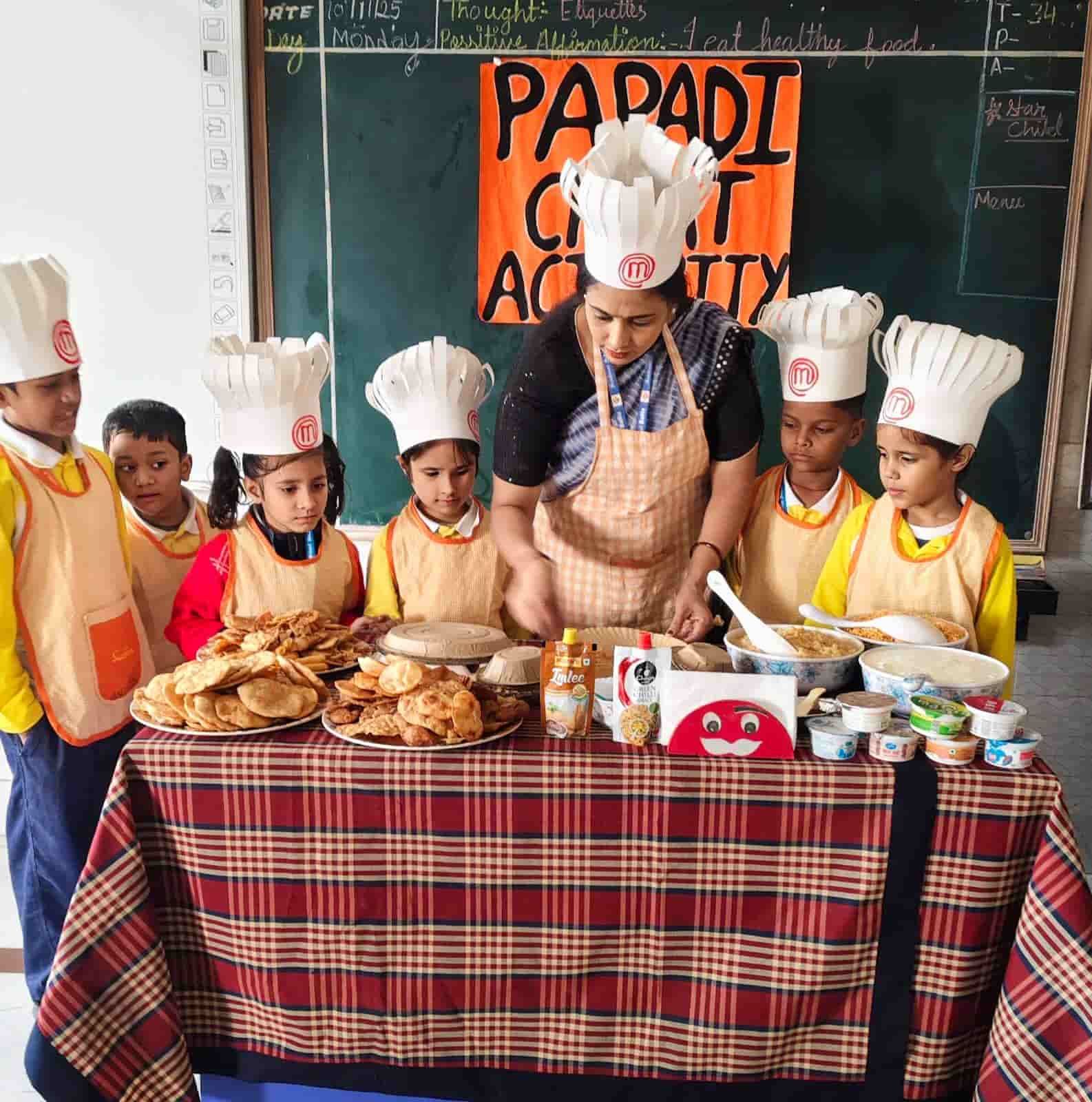
The school's own account of a Gallery Walk puts it plainly — children “confidently presented their projects, charts, and models, turning the classroom into a mini exhibition hall.” The work came first; the explaining came after it.

Inquiry, in three moves
Explore Question Discover
-
Explore
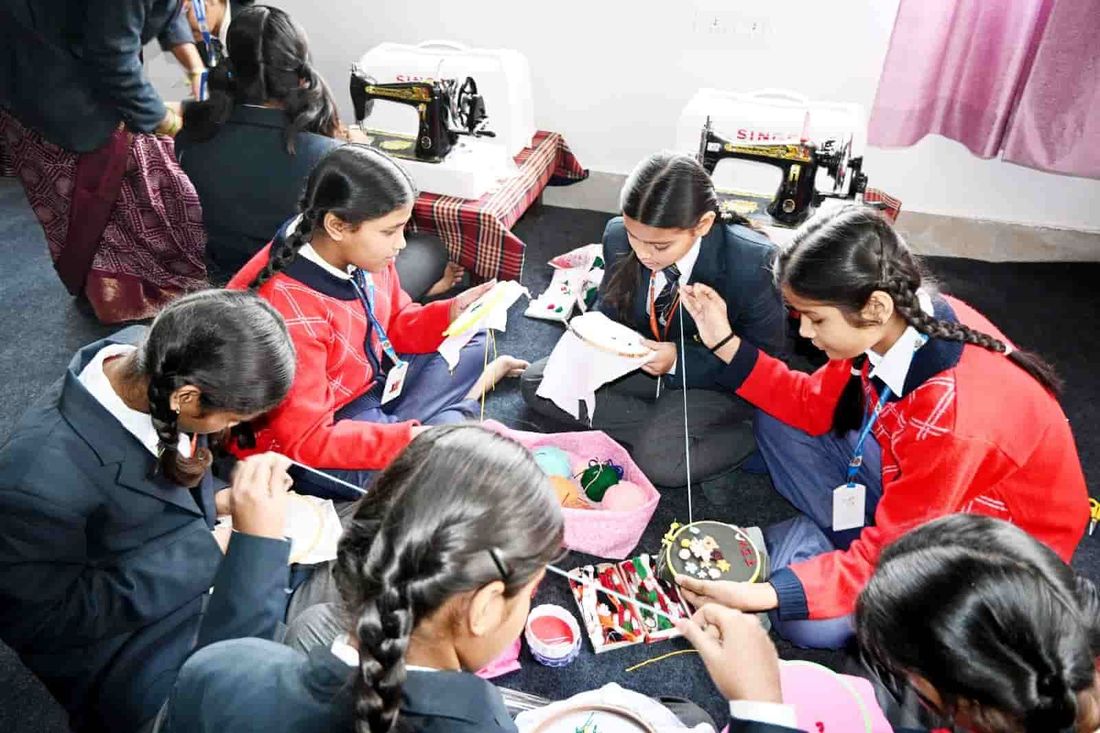
A material, a tool, a problem that has not been explained yet.
-
Question
The school calls it “sparking curiosity, scientific thinking” — the moment a child wants to know why.
-
Discover
The answer arrives having been looked for. That is what makes it stay.



Real learning experiences
Not a special day.
An ordinary week.
A planting plot, a planetarium and a telescope are not the decoration around the curriculum — they are where parts of it are taught. The school's record of the stargazing evening is that the campus “transformed into a window to the universe.”
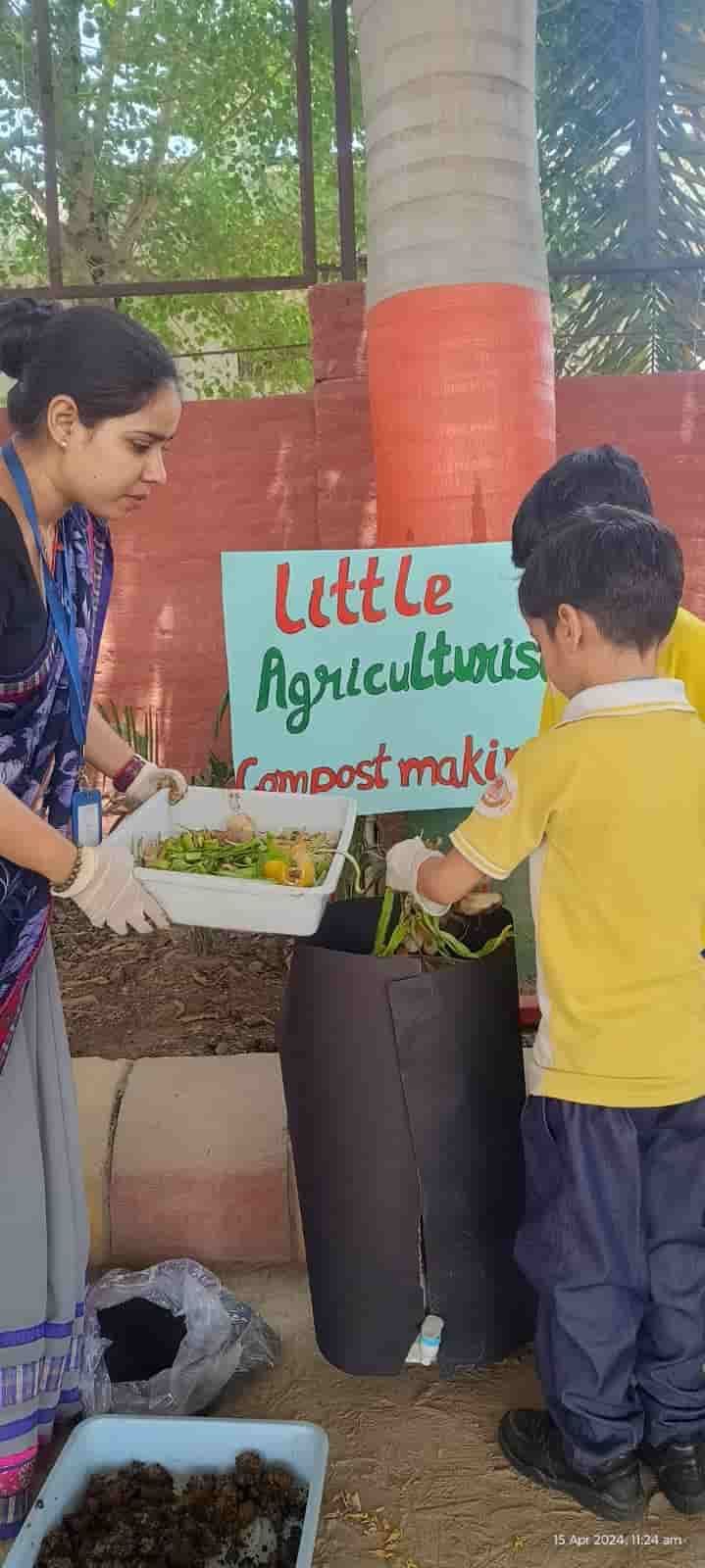
- Little Agriculturists A planting activity the youngest children dig, sow and water themselves.
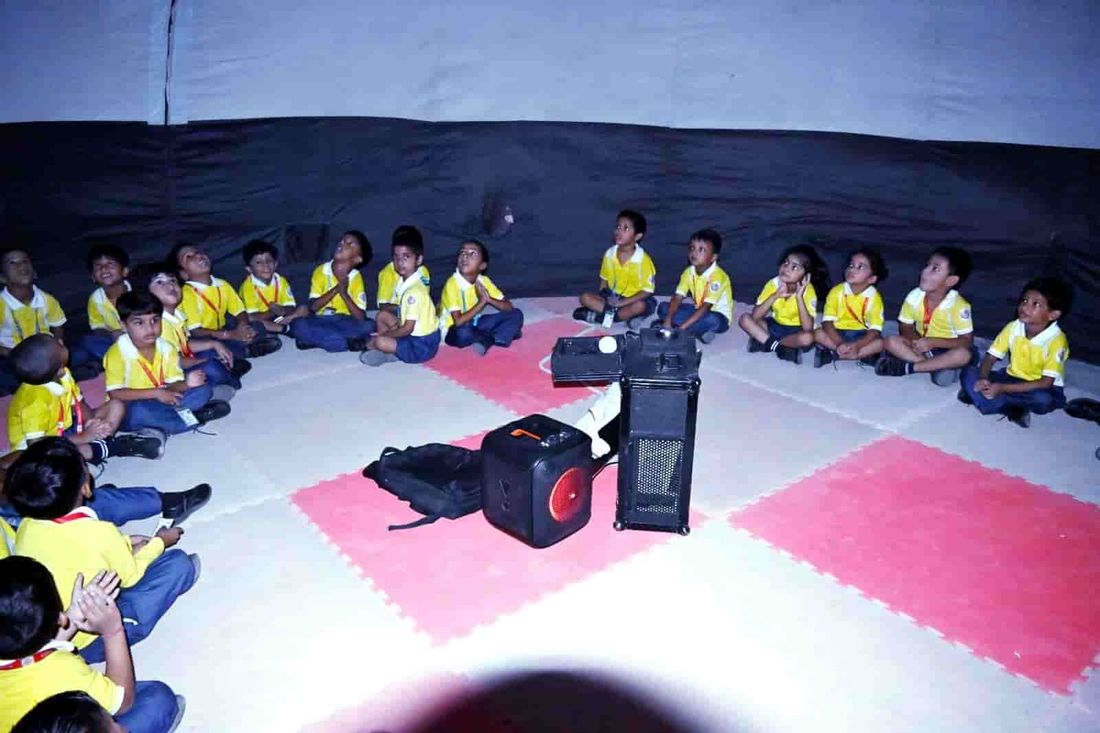
- Taramandal Show A planetarium brought to the children — eleven photographs published.
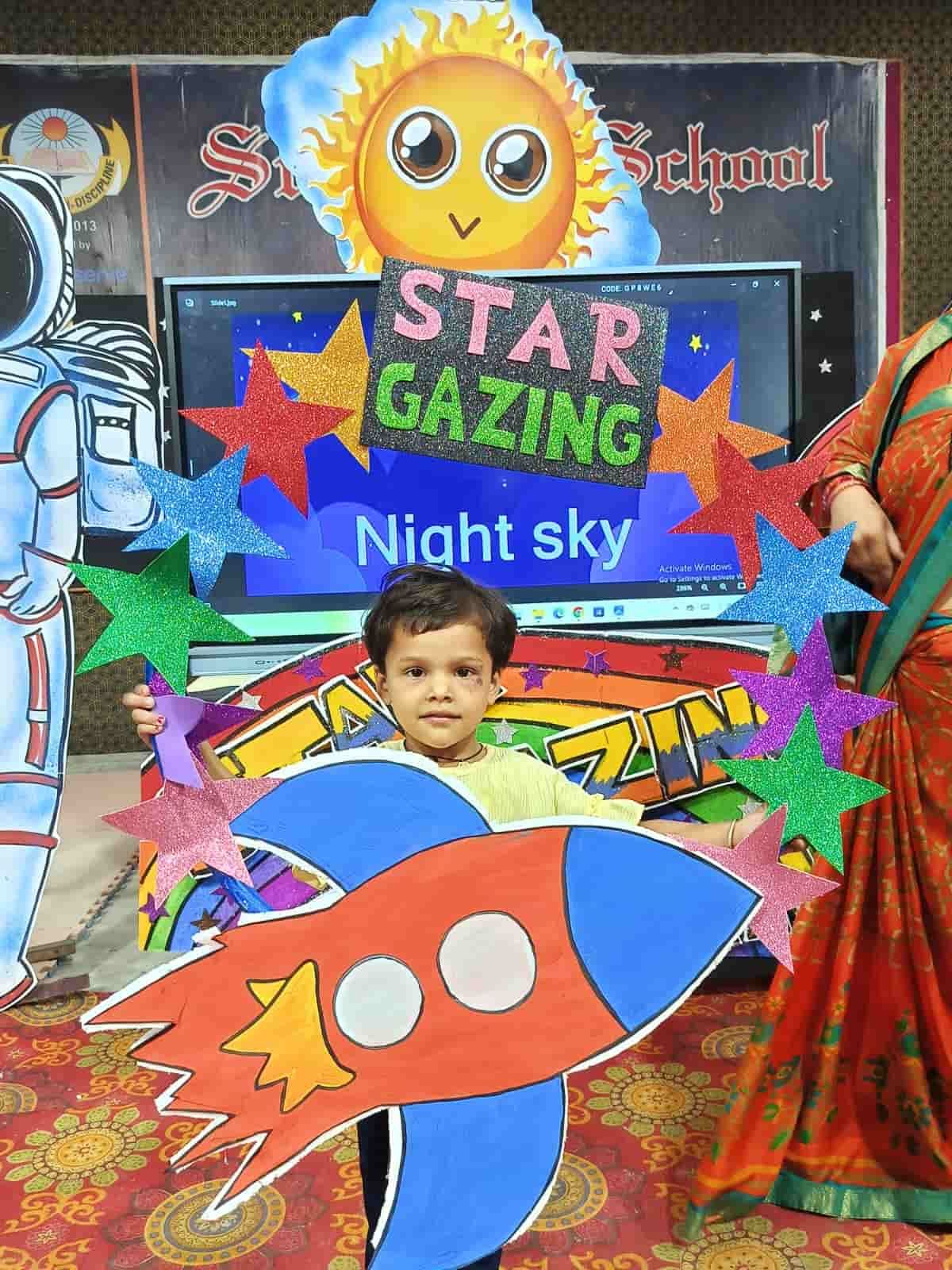
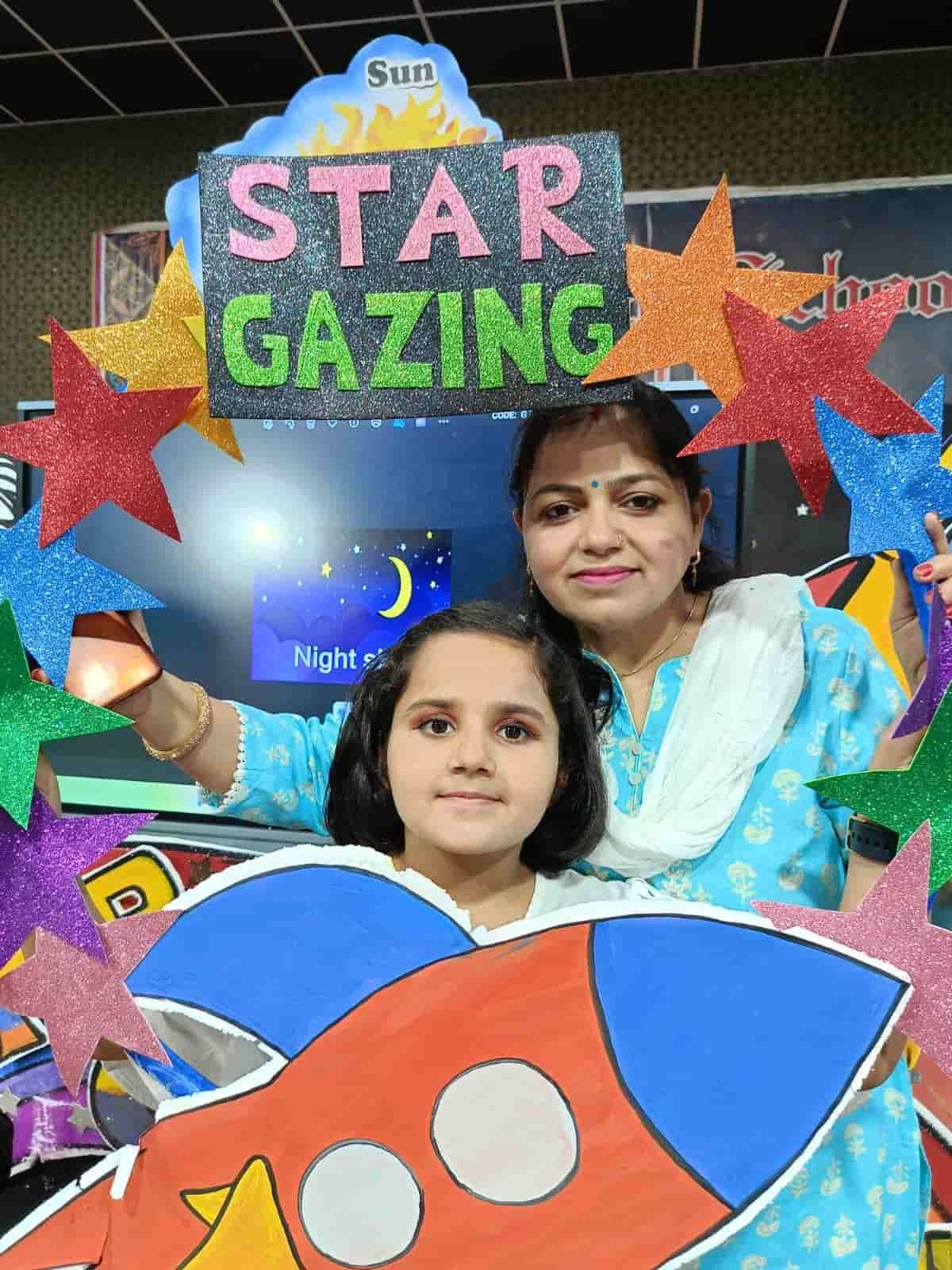
- Star Gazing “A breathtaking view of the Moon through a telescope — a first-time experience for many.”


Experience it.
Question it.
Discover it.
Twelve laboratories, a planting plot and a night sky — so that what a child learns has been handled before it is answered.