


Primary
A strong foundation for steady growth.
Foundation in action
Curious today.Confident tomorrow.
Five classes, and five published syllabus documents. The curriculum is CBSE’s, and the school issues it class by class as its PRECEPT syllabus — a separate document for every year from Nursery to Class XII, for session 2026-27. Primary is five of them.
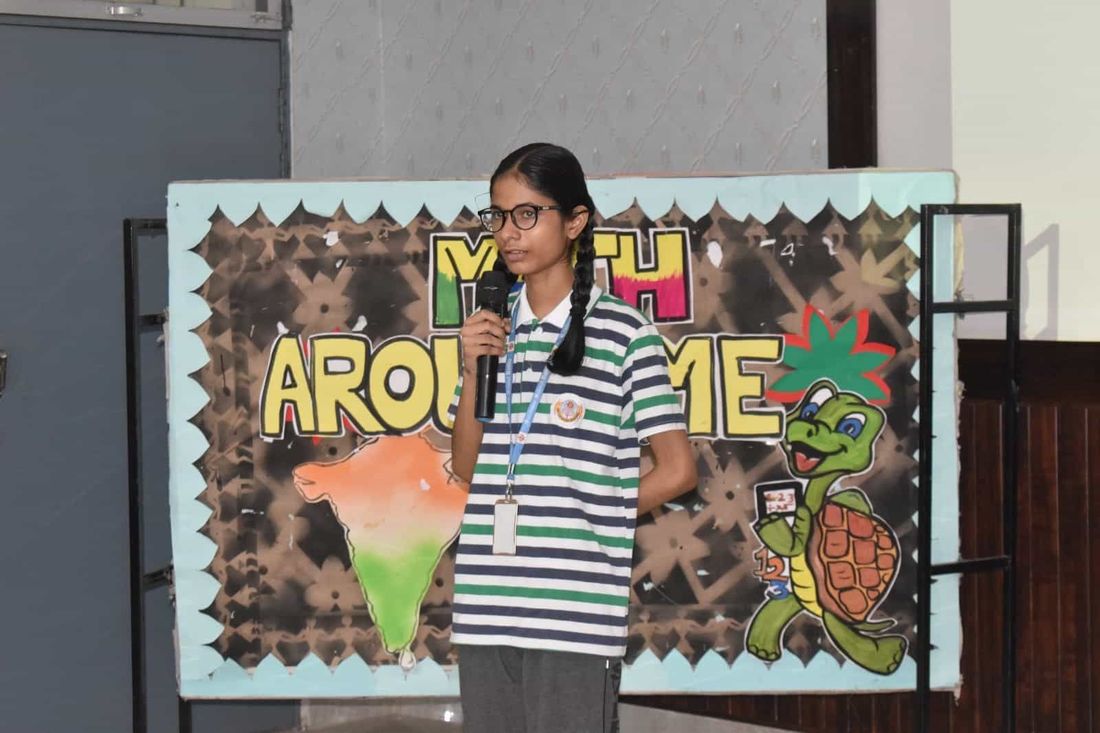
Alongside the timetable, Classes III to V take Impetus — the school’s own activity programme, and the reason a nine-year-old here ends up on a stage with a microphone explaining where she finds mathematics.
- 01 Student-centred Pace and task follow the child.
- 02 Experiential A concept met in the hand first.
- 03 Critical & creative Weigh it, test it, argue it.
- 04 Curriculum CBSE, published class by class.
The four are the school’s own, published on Teaching & Learning as what every class is taught against.
Who teaches the primary years
One class teacher.Four specialists.
The school advertises its primary posts by name, and the shape of the stage is in the wording: one mother teacher carrying every subject, with dance, storytelling and music taught by people hired to teach only that.
-
All subjects
The mother teacher, “with knowledge of all subjects.”
-
Storytelling
An English story teller — a named post on the primary staff.
-
Music
A music teacher, recruited for these years specifically.
-
Dance
A dance teacher, with a sprung-floor room to work in.
-
Computing
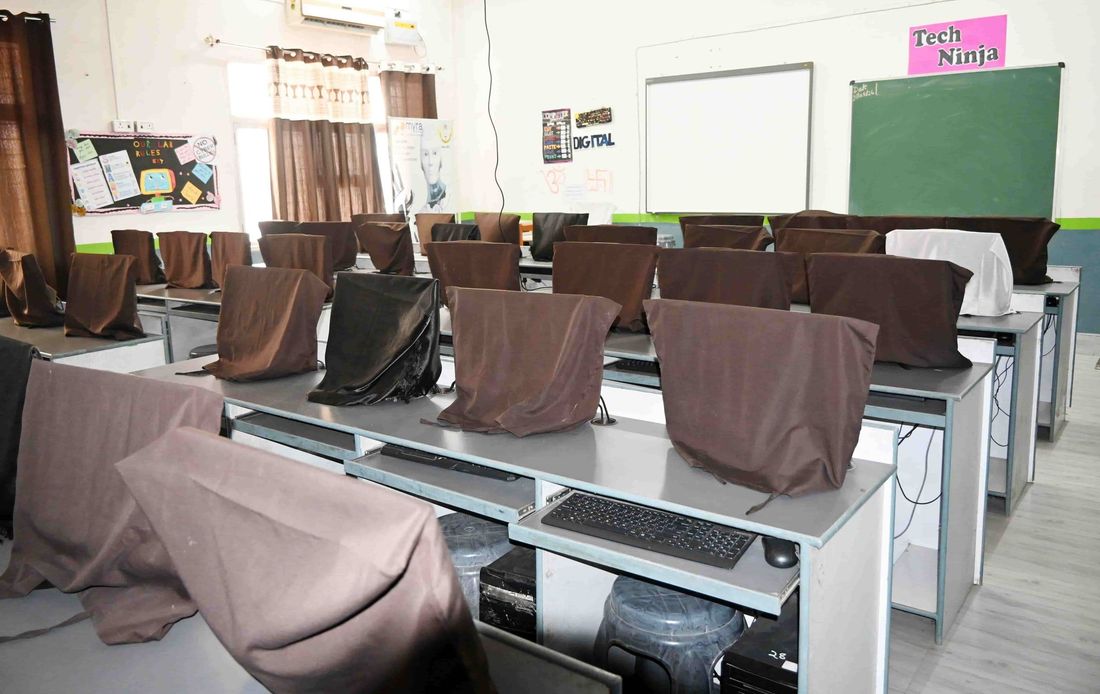
The junior computer lab — 40+ machines, one to a child.
-
Art
A dedicated art room for drawing, painting and craft.
-
Sport
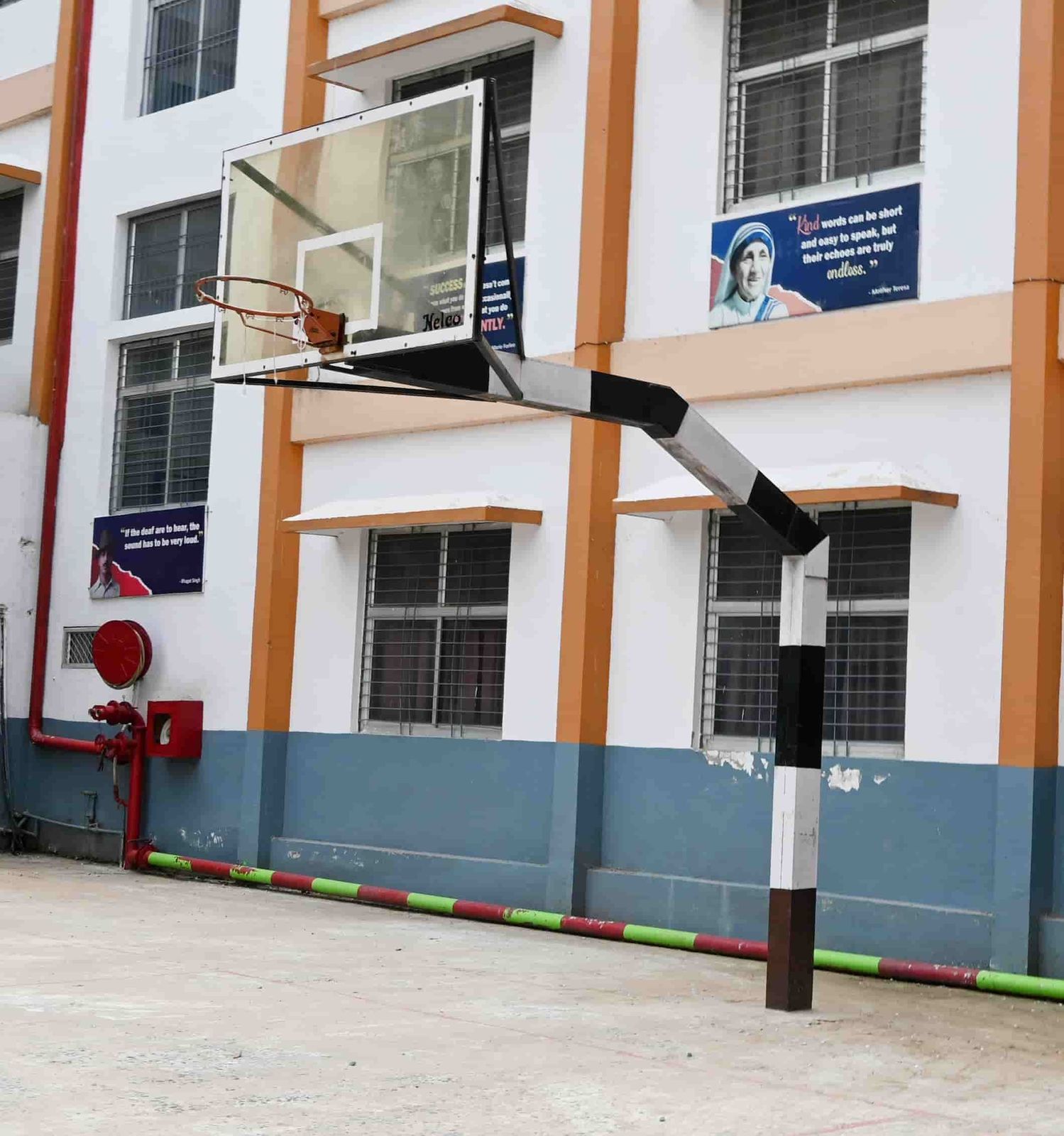
Fifteen sports across the indoor and outdoor programme.
On subjects. The school publishes that a PRECEPT syllabus document exists for every class. It does not publish what is inside one, so no primary subject scheme is set out here — only the posts and rooms it names itself. See Curriculum.
Our approach
Think. Explore.Understand.
The school states four commitments and measures an ordinary Tuesday morning against them. They are quoted below in its own words rather than paraphrased.
- Student-centred learning Pace, grouping and task follow what a particular child is ready for next — teaching organised around the learner rather than the lecture.
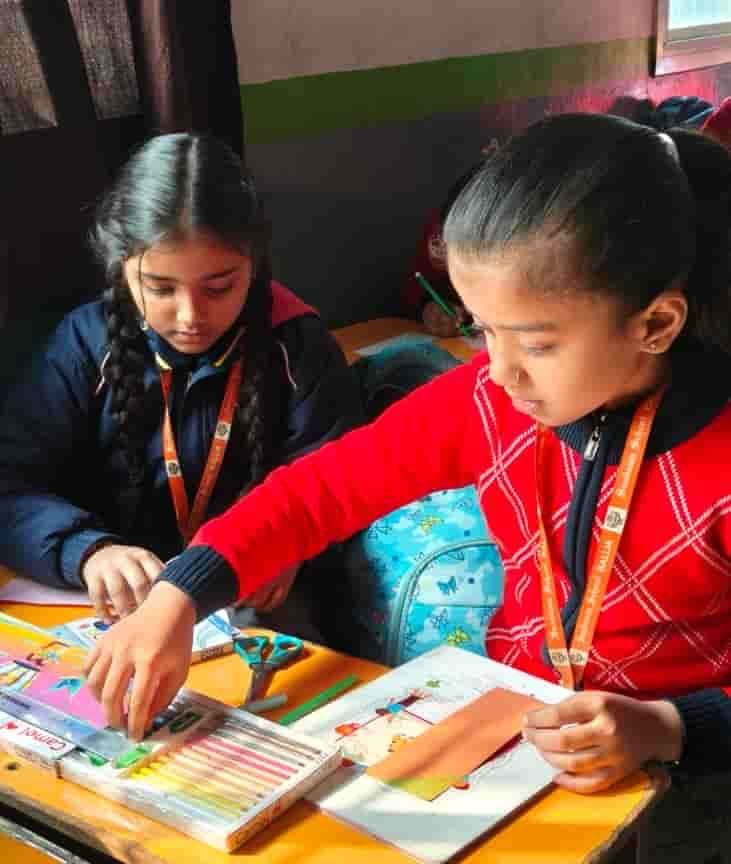
- Experiential & inquiry-based learning A concept met in the hand before it is met in the exam: practical work, and lessons that open with a question rather than a conclusion.
- Critical thinking & creativity Weighing evidence, testing a claim, arguing a position — and the room to make something new.
- Curriculum excellence The CBSE curriculum, published class by class as the school’s PRECEPT syllabus from Nursery to Class XII.
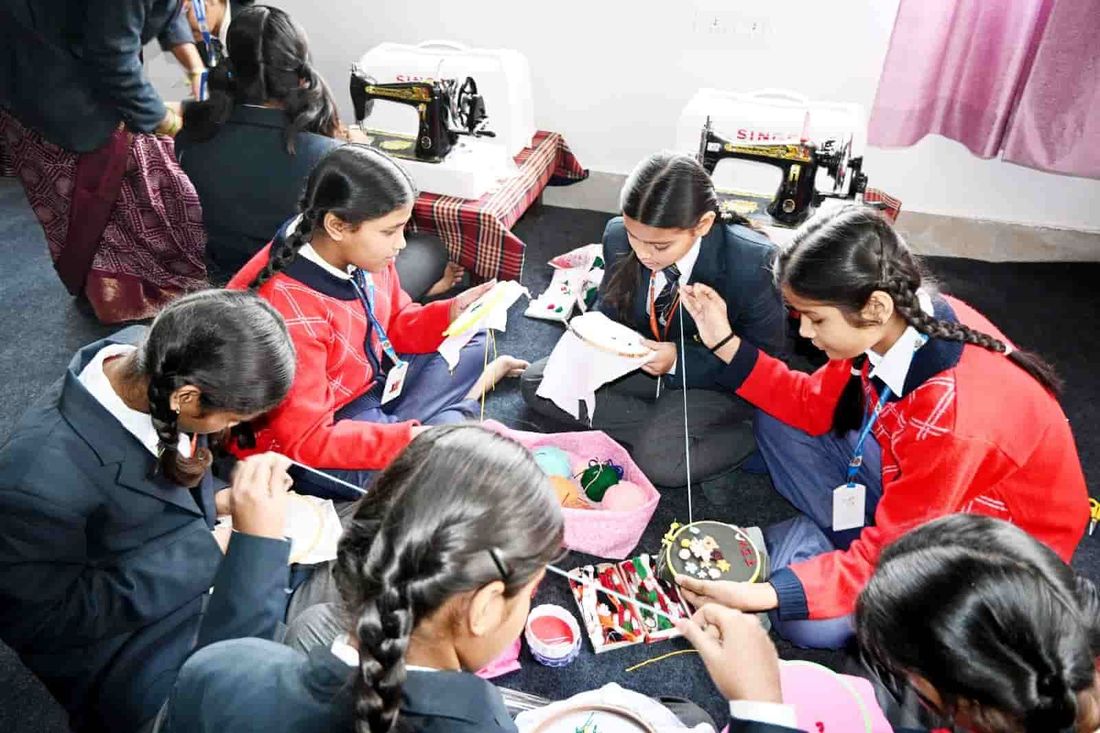
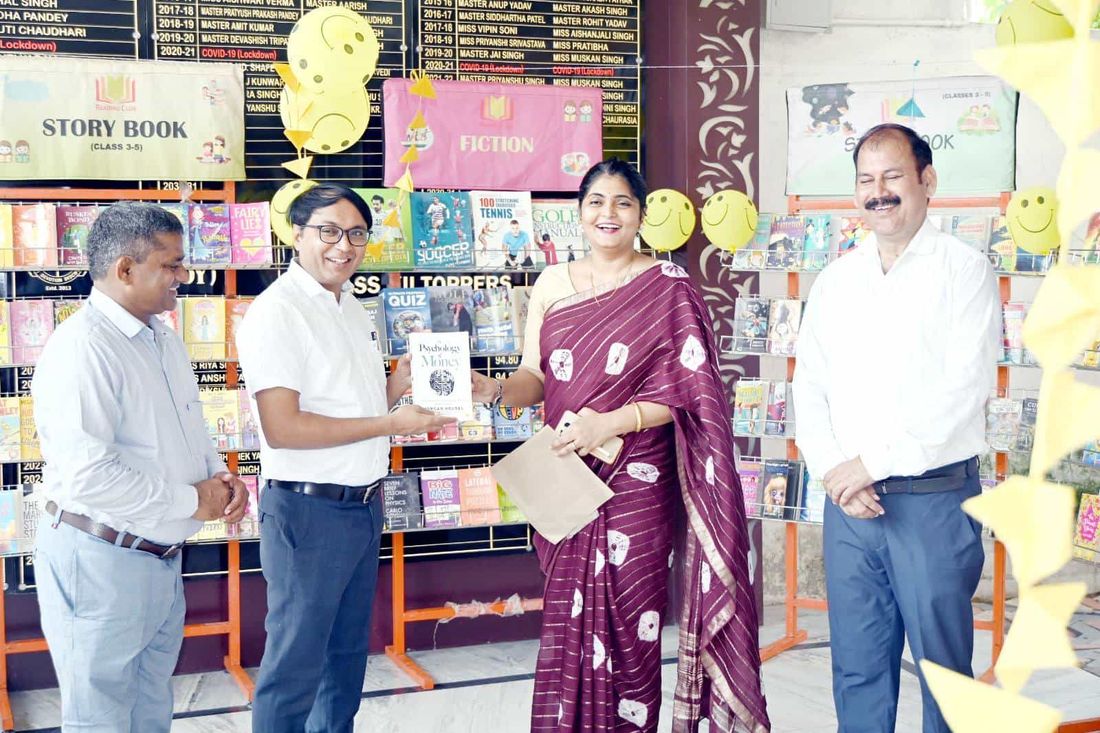
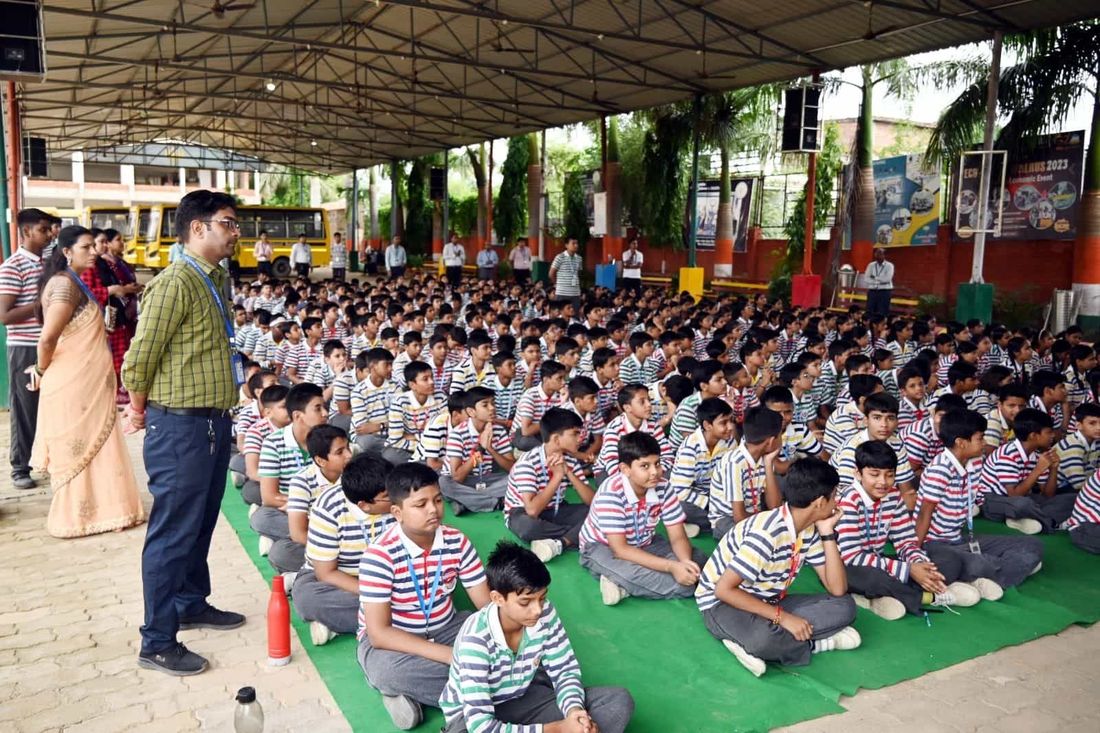
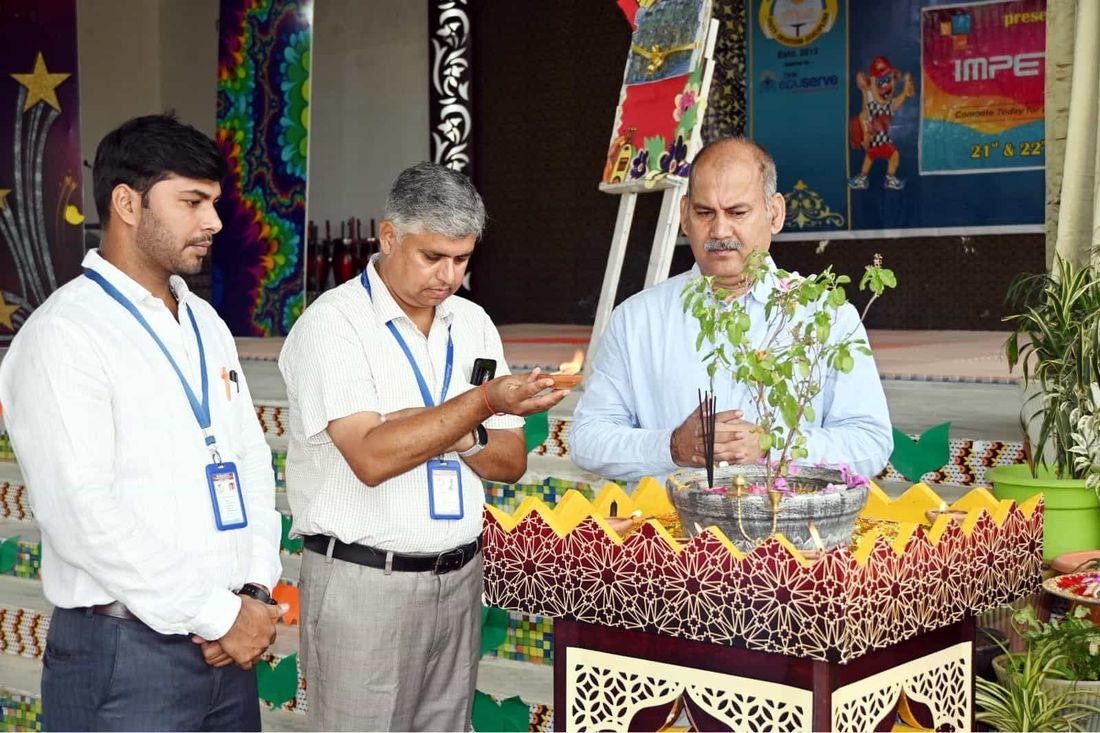
Learning through activities
Learning doesn’t stopat the desk.
The clearest thing about this stage is not a description of it — it is the record. Every line below names the class that did it, and each is something the school published rather than something claimed on its behalf.
-
Class I
Attire Speak
A speaking competition across Sunbeam branches — entered by the school’s six-year-olds.
-
Nursery – II
SOF Olympiad
The Science Olympiad Foundation olympiad, sat from the youngest years upward.
-
Classes III–V
SOF Zonal Excellence
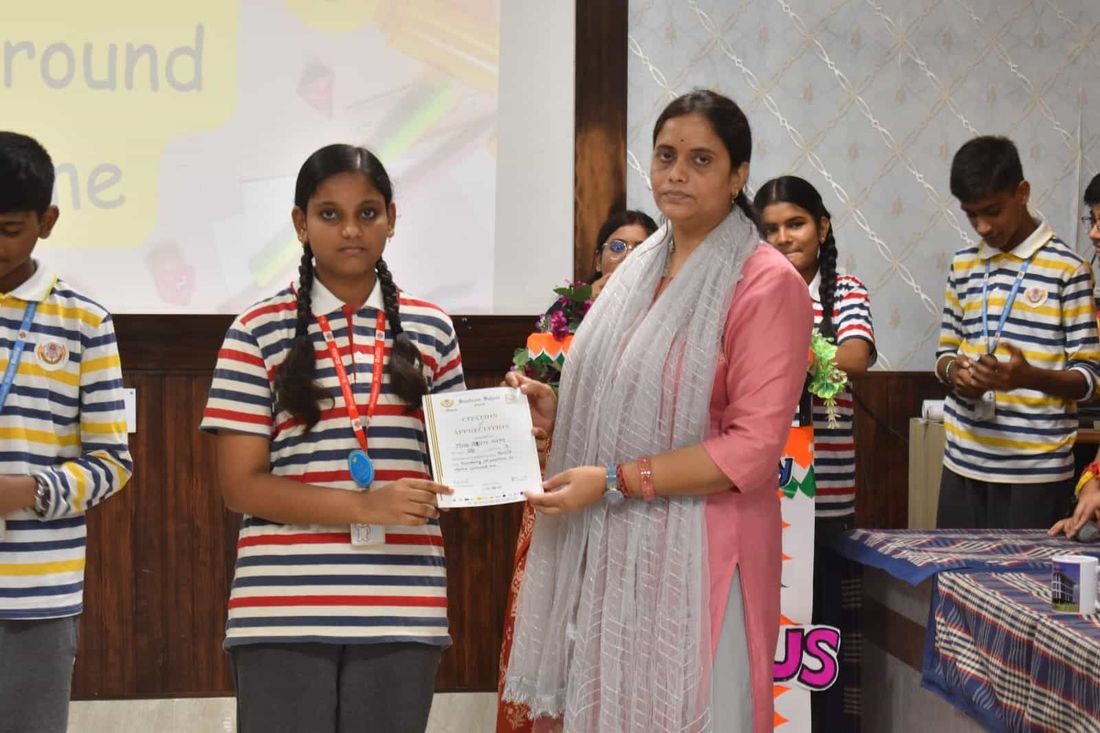
The zonal award, with a ₹500 voucher, for students in the primary years.
-
Classes III–V
Indian Folk Painting
“Students showed the richness of Indian folk art in their own strokes.”
-
Classes III–V
Heritage Week
A week inside the culture and traditions of India — art, dance and music.
The full record, year group by year group, is on Student Success.
Values we build every day
Good habits.Strong character.
Three words, read off the crest on the school gate — and the school’s own gloss on each.
-
01
Duty
The work a school owes a child, and a child owes the subject.
-
02
Devotion
Attention paid to one learner at a time, not to a class average.
-
03
Discipline
The habit that makes ability count: turning up, and finishing.
Supportive environment
Spaces thatinspire learning.
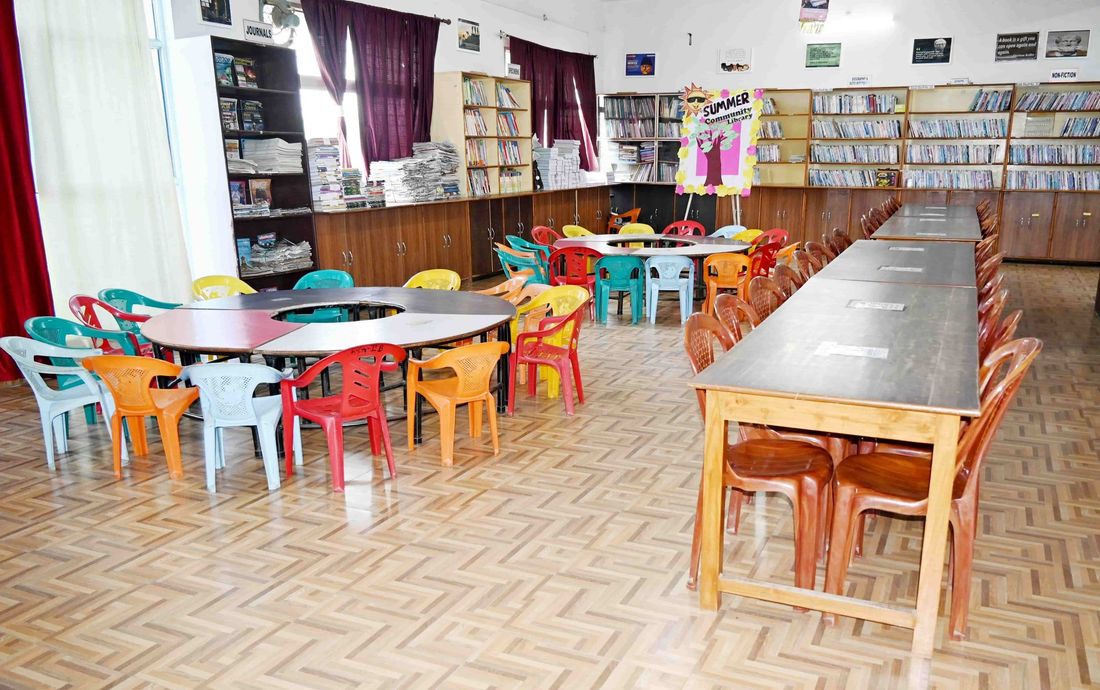
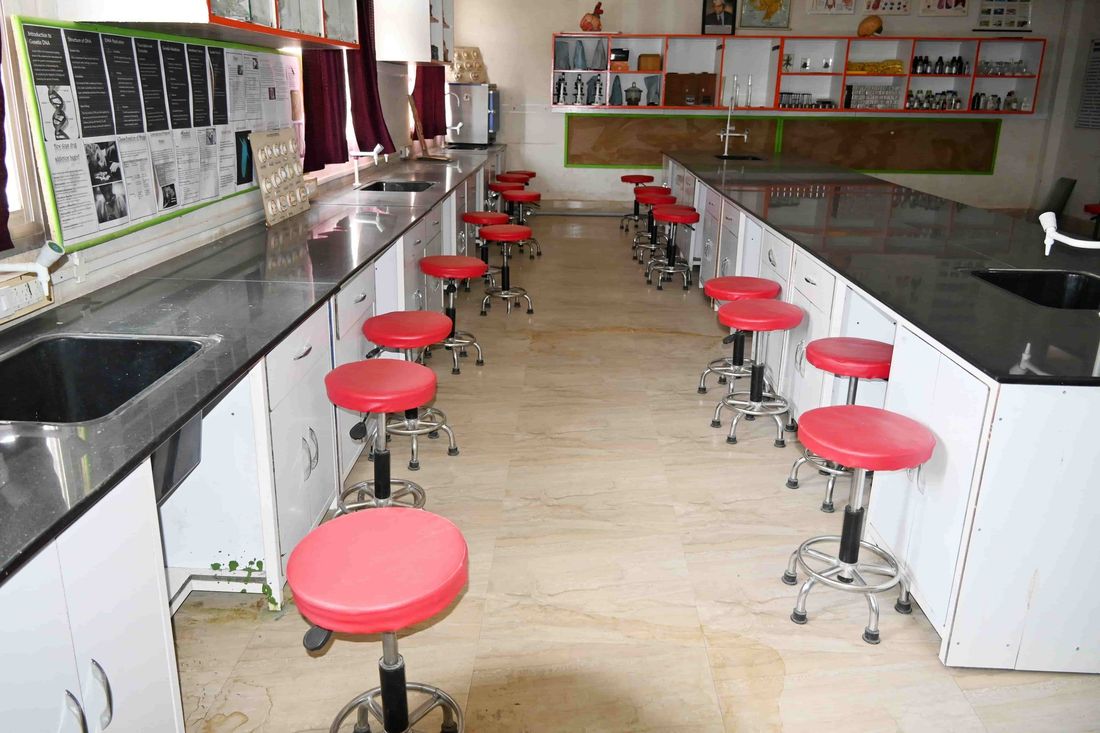
A primary child at Sunbeam does not spend the week in one room. The rooms below are the school’s own published inventory, and the junior computer laboratory is sized so a nine-year-old works alone rather than in a group of four.
- Smart classrooms — 75+ across the four floors
- Nalanda Library — 17,574 books and 25 periodicals
- Junior computer laboratory — 40+ machines
- Science laboratories, from the general room upward
- Art room, dance room and the music programme
- Fifteen sports, indoor and outdoor
Every room above is listed on the school’s own facilities inventory.
The primary journey
From curiosityto capability.
-
01
Explore
Impetus, the school’s own activity programme for Classes III–V.
-
02
Learn
PRECEPT — a syllabus document published for every class.
-
03
Apply
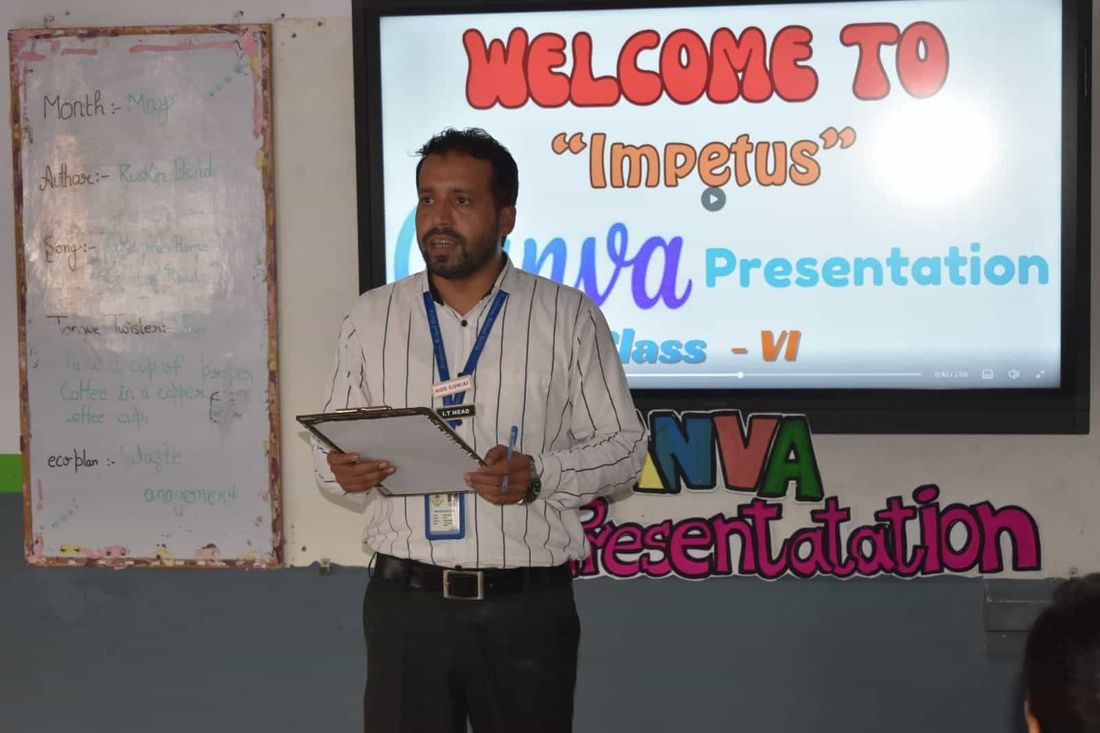
Canva presentations, folk painting, a week inside Indian heritage.
-
04
Grow
A national olympiad from Nursery, and a zonal award in these years.
A strong beginning
Strong today.Ready for tomorrow.
Five classes, five published syllabus documents, one activity programme of the school’s own — and a record of what each year group entered and brought home. Subject lists, period allocations and the contents of the PRECEPT documents are not published, and are not estimated here.